



Welcome toSaline Area Schools


 Twitter
School Calendar
 Previous
April
2024
Next Previous
April
2024
Next
|
|||||||||
|---|---|---|---|---|---|---|---|---|---|
| S | M | T | W | T | F | S | |||
| 1 | 2 | 3 | 4 |
5
|
6 | ||||
| 7 | 8 |
9
|
10 | 11 | 12 | 13 | |||
| 14 | 15 | 16 | 17 | 18 | 19 | 20 | |||
| 21 | 22 |
23
|
24 | 25 | 26 | 27 | |||
| 28 | 29 | 30 | |||||||
Upcoming Events/Public Notices
-
14 May
-
Board Finance Committee Mtg 5:00 PM to 6:00 PMBoard Finance Committee MtgDate: May 14Time: 5:00 PM to 6:00 PMLocation: Liberty School, 7265 N Ann Arbor St, Saline, MI 48176, USACalendar: District School CalendarJoin with Google Meet: https://meet.google.com/sne-mbwn-ptj Or dial: (US) +1 405-353-0956 PIN: 758208153# Learn more about Meet at: https://support.google.com/a/users/answer/9282720
-
Board of Education Meeting 6:30 PM to 8:30 PMBoard of Education MeetingDate: May 14Time: 6:30 PM to 8:30 PMLocation: Liberty School Board RoomCalendar: District School Calendar
-
-
27 May
-
No SchoolDate: May 27Calendar: District School Calendar
-
-
28 May
-
Board Policy Committee Mtg 5:00 PM to 6:00 PMBoard Policy Committee MtgDate: May 28Time: 5:00 PM to 6:00 PMLocation: Liberty School, 7265 N Ann Arbor St, Saline, MI 48176, USACalendar: District School Calendar
-
Board of Education Meeting 6:30 PM to 8:30 PMBoard of Education MeetingDate: May 28Time: 6:30 PM to 8:30 PMLocation: Liberty School Board RoomCalendar: District School Calendar
-
-
5 Jun
-
K-12 Half DayDate: Jun 5Calendar: District School Calendar
-
-
6 Jun
-
K-12 Half DayDate: Jun 6Calendar: District School Calendar
-
Last Day of SchoolDate: Jun 6Calendar: District School Calendar
-
-
11 Jun
-
Board of Education Meeting 6:30 PM to 8:30 PMBoard of Education MeetingDate: Jun 11Time: 6:30 PM to 8:30 PMLocation: Liberty School Board RoomCalendar: District School Calendar
-
District News
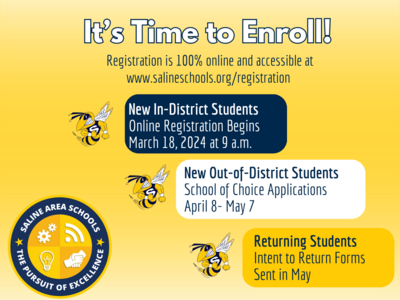
New families within the Saline Area Schools District boundaries are invited to enroll for the 2024-25 school year beginning March 18 at 9:00 a.m. New out-of-district families can complete a School of Choice Application between April 8 and May 7. Families of returning students will be invited to complete an Intent to Return Form in May. More information is available online at www.salineschools.org/registration
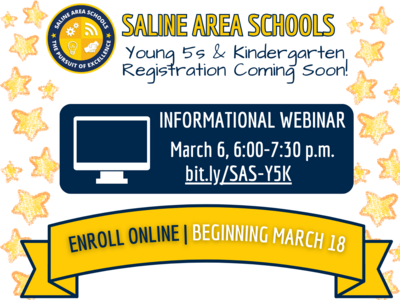
The Young 5 and Kindergarten informational webinar for new families was held on Wednesday, March 6. The recording and relevant links can be accessed here.
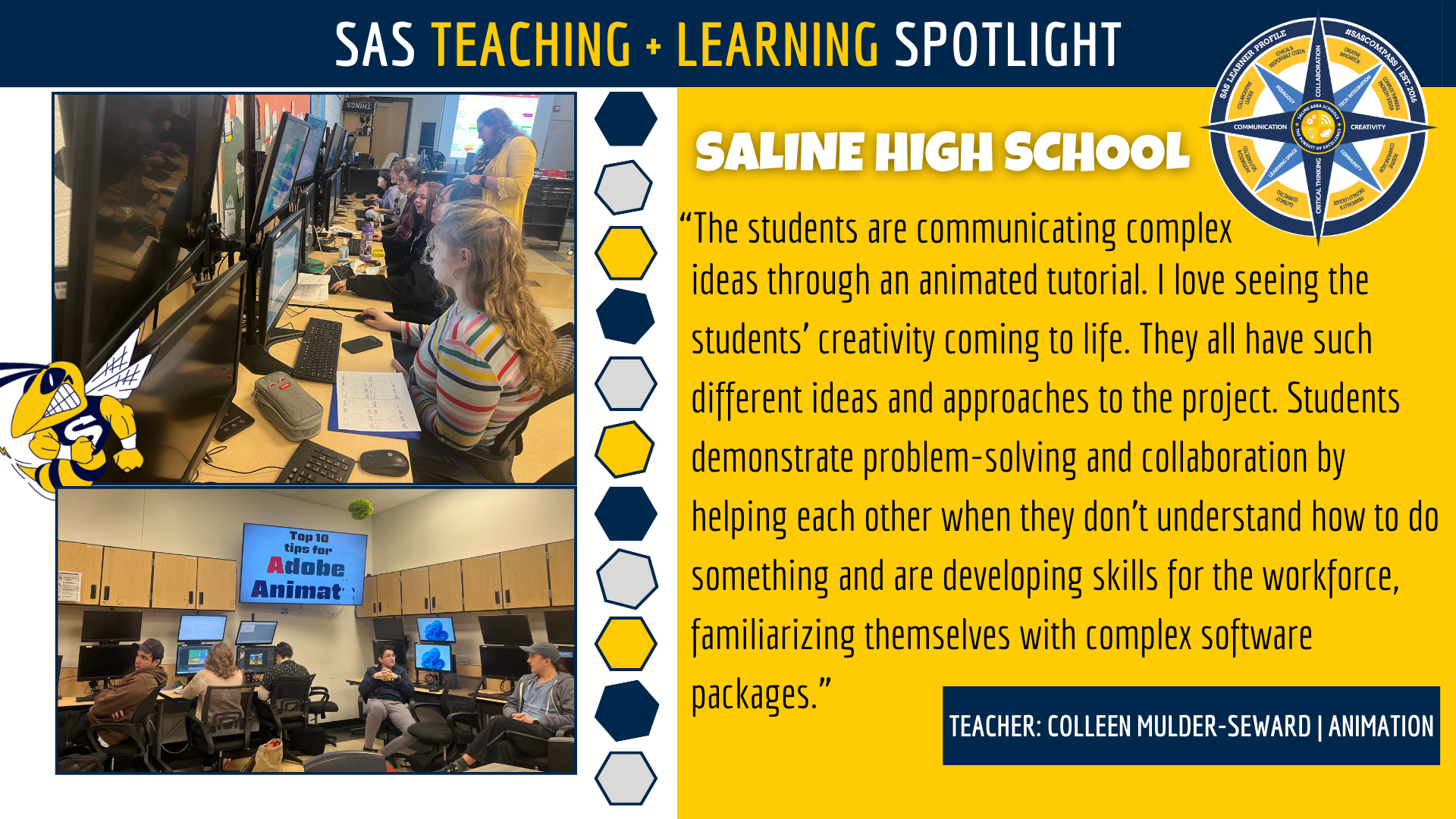
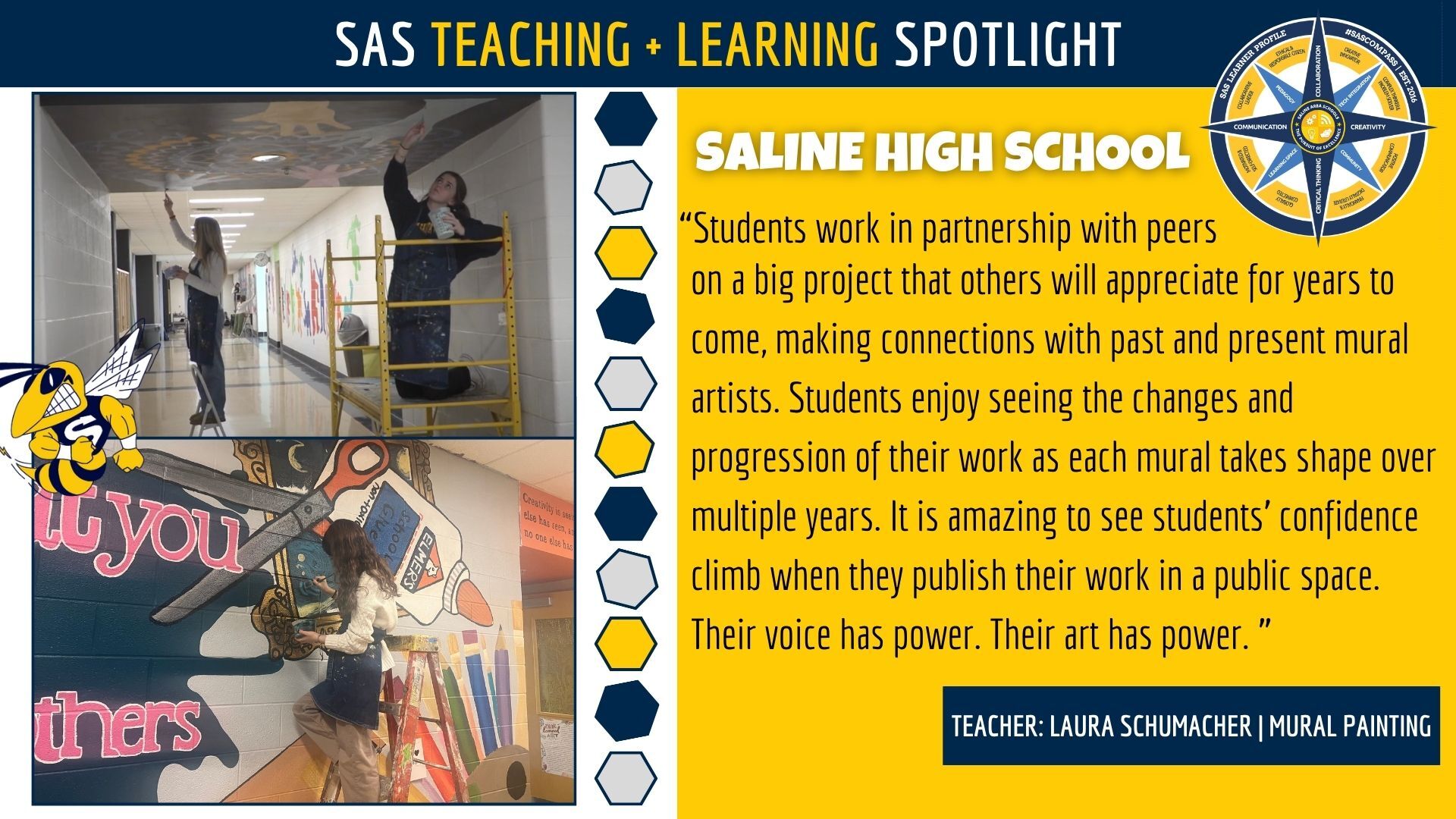
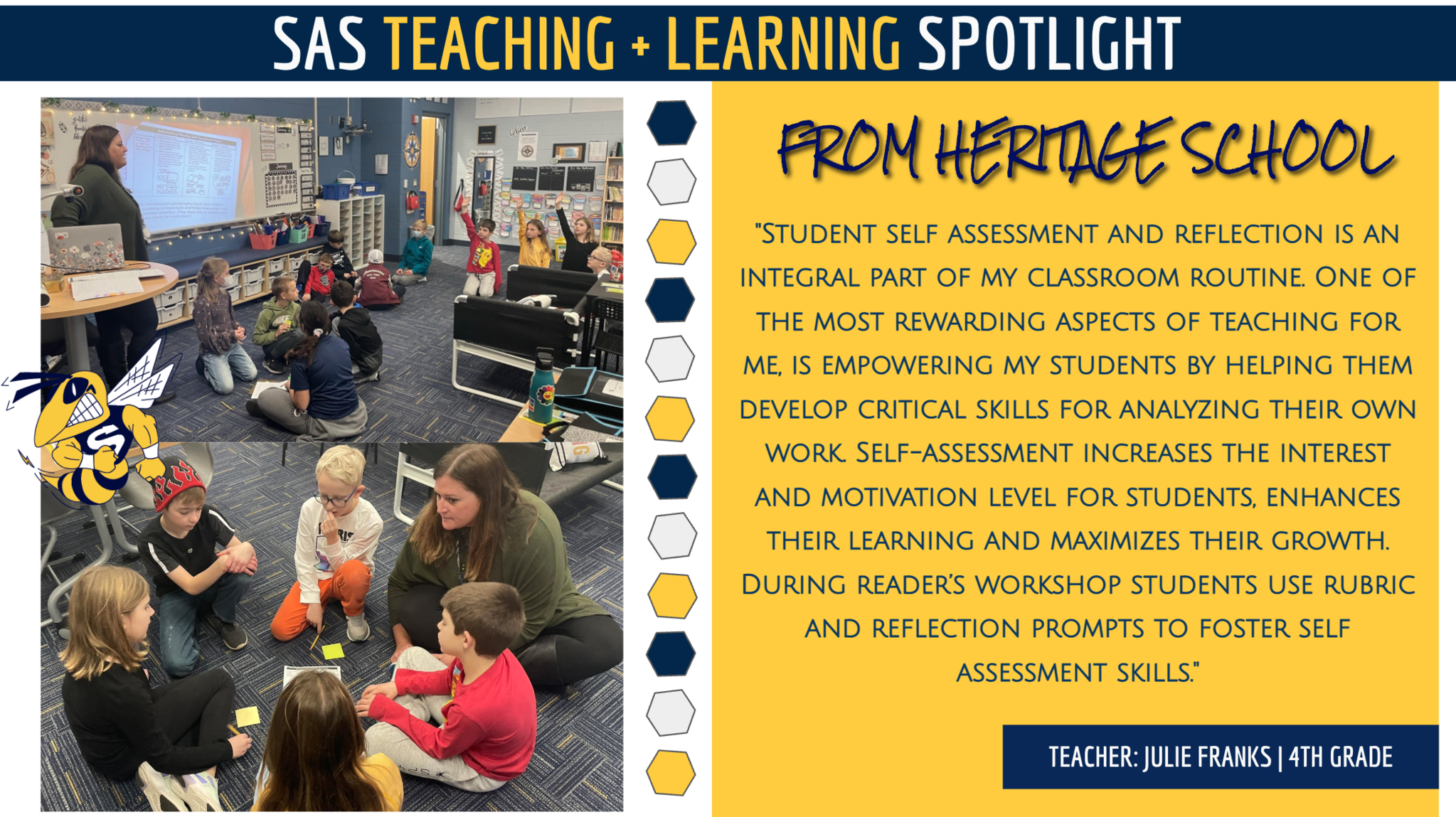
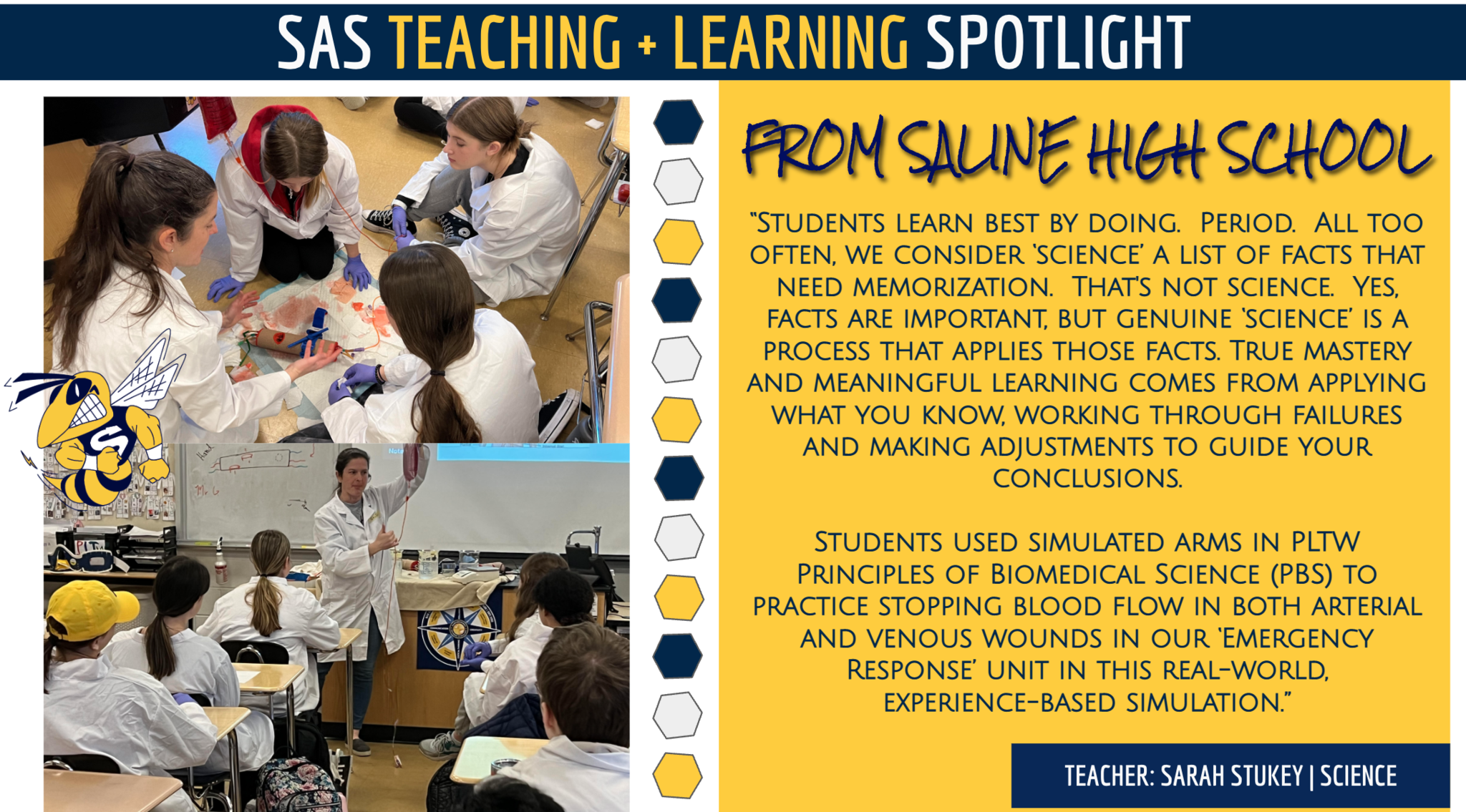
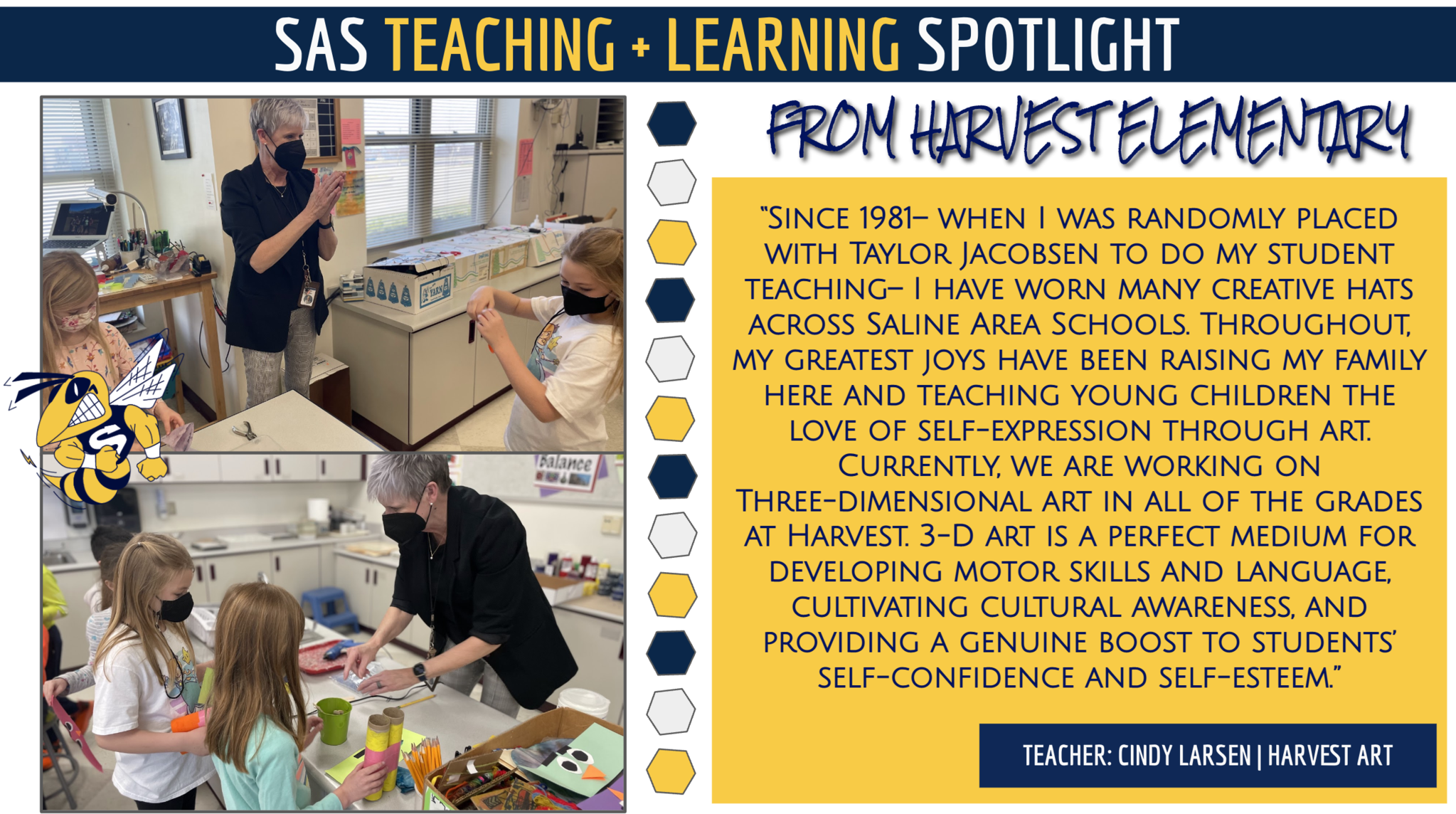
SAS TEACHING AND LEARNING SPOTLIGHTS

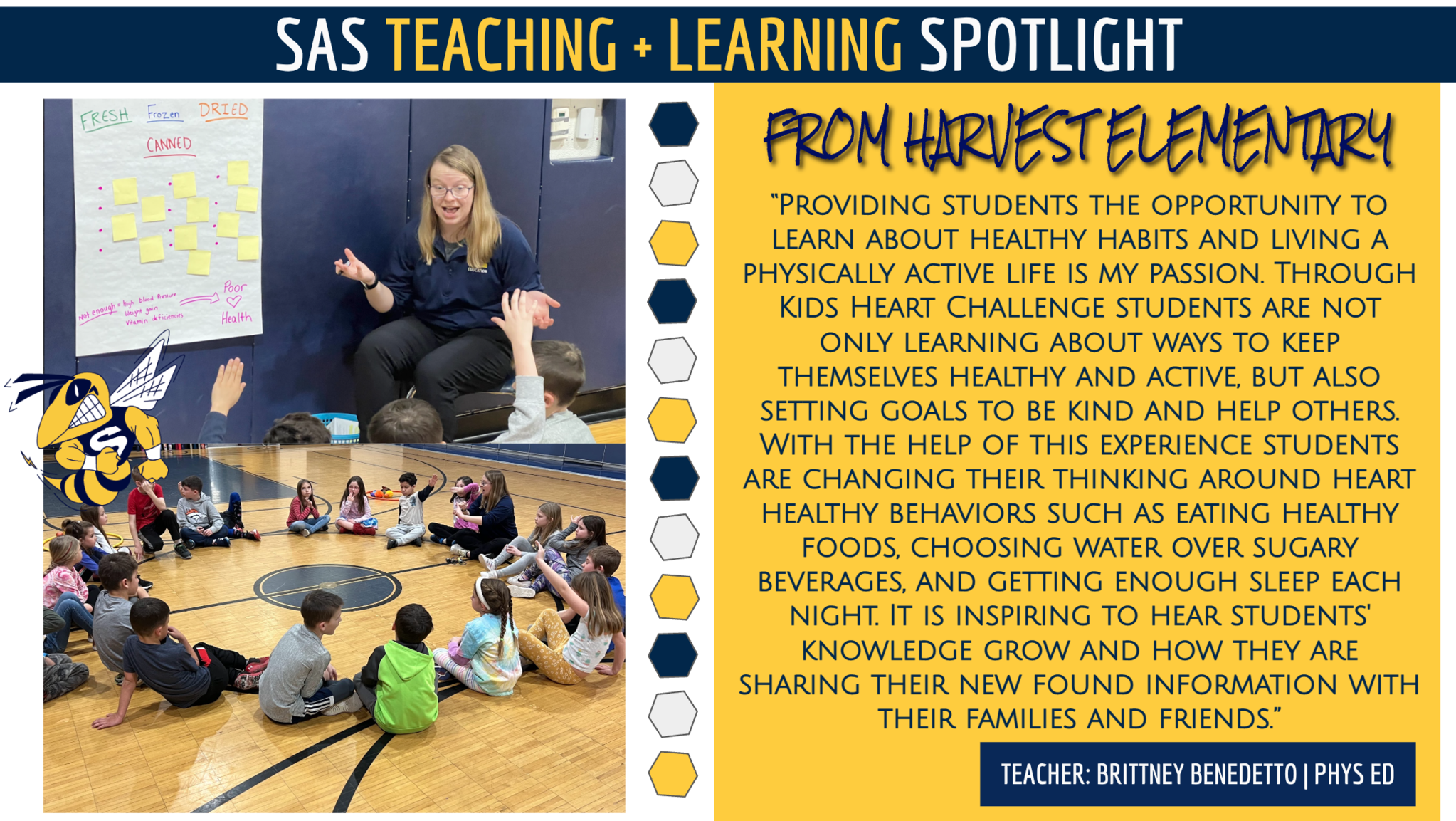
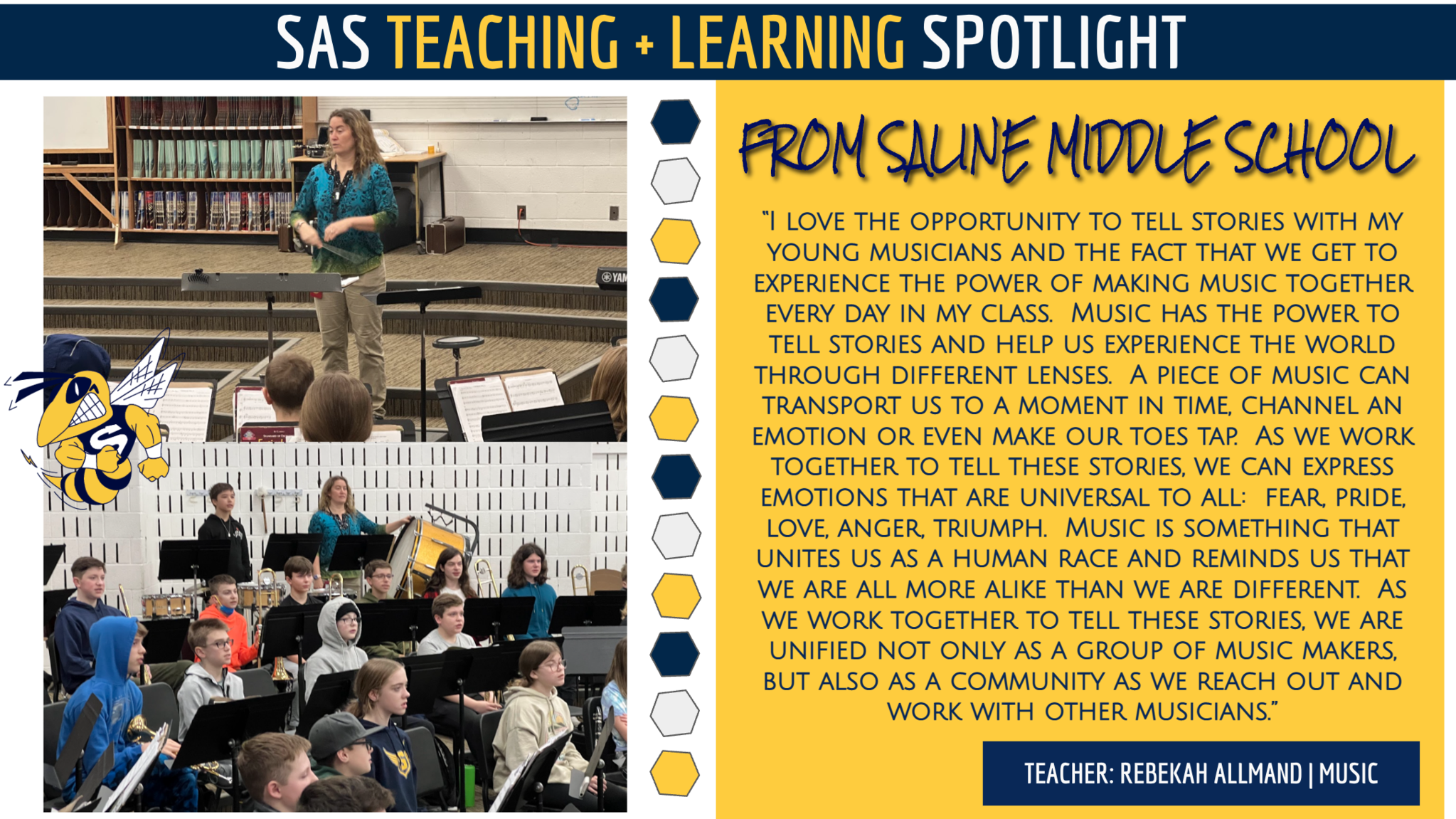

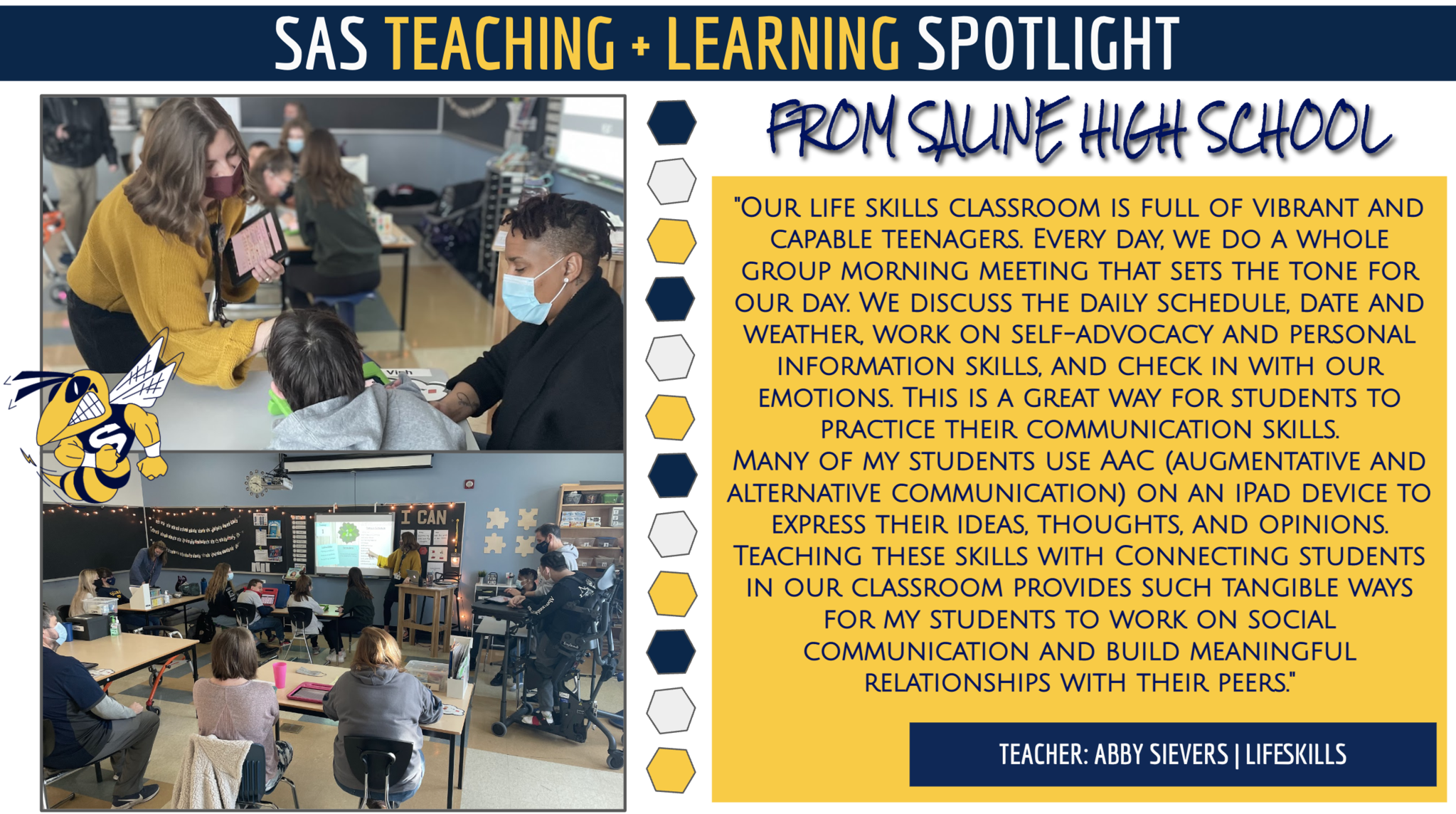
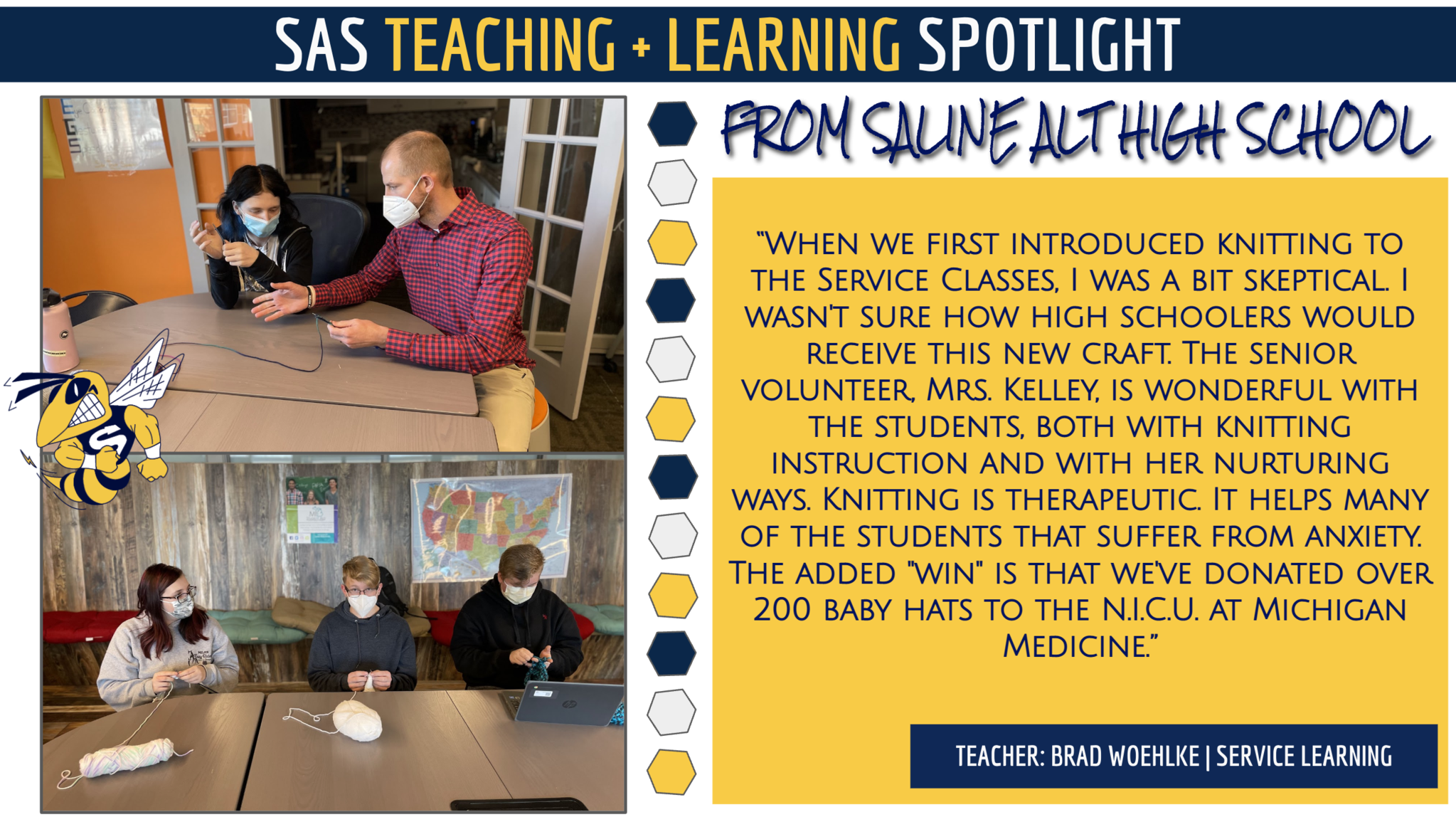

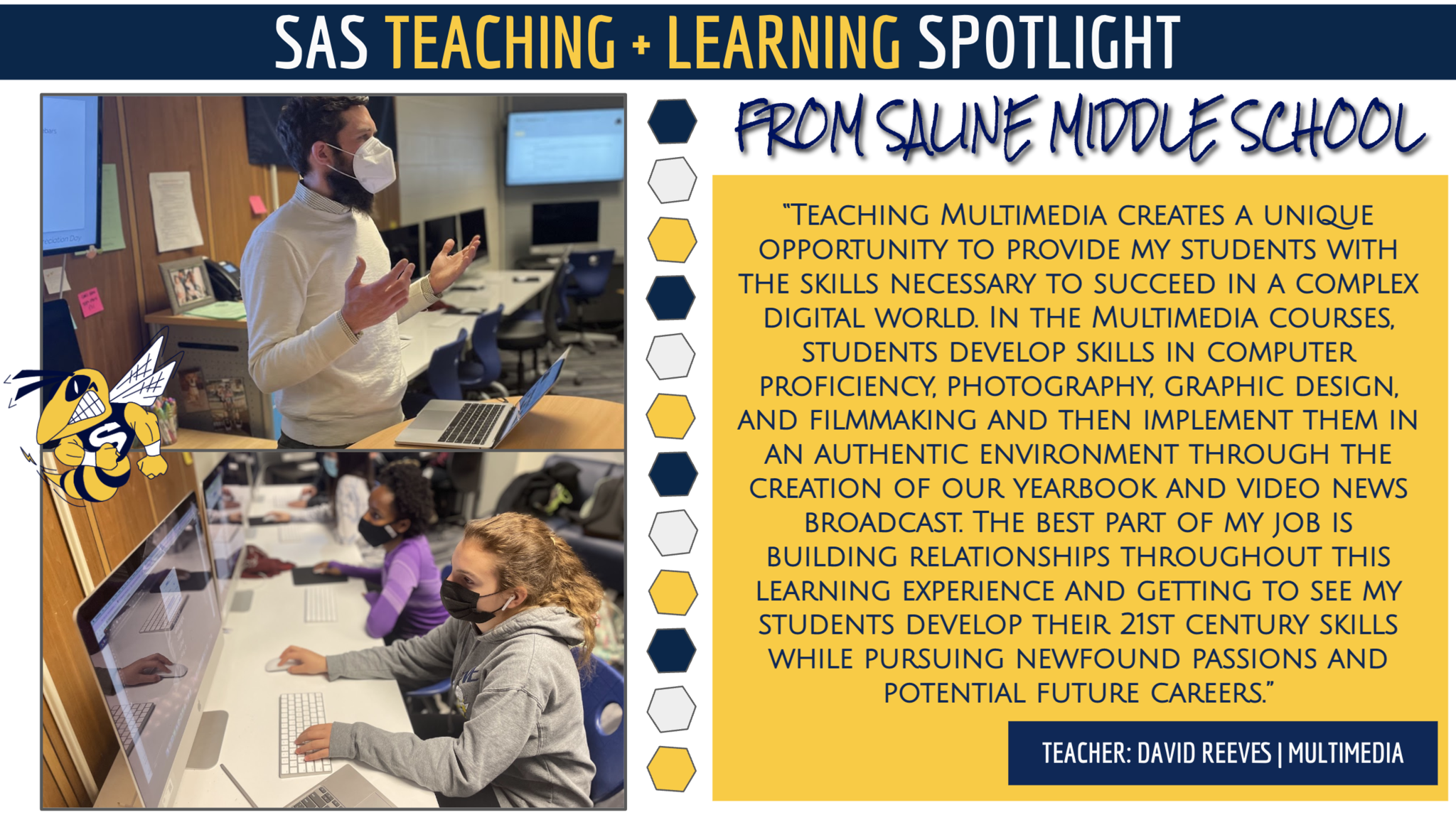



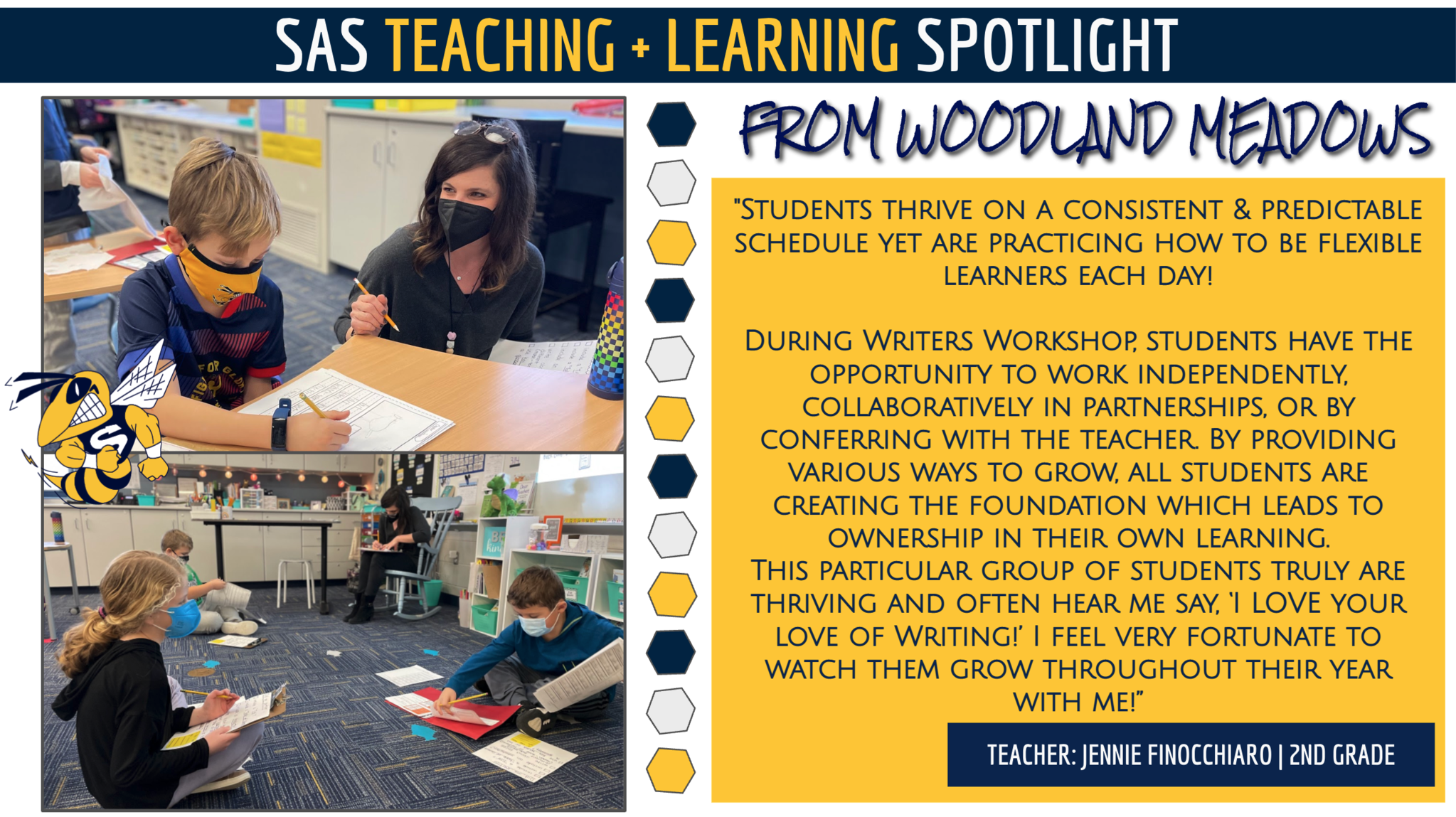
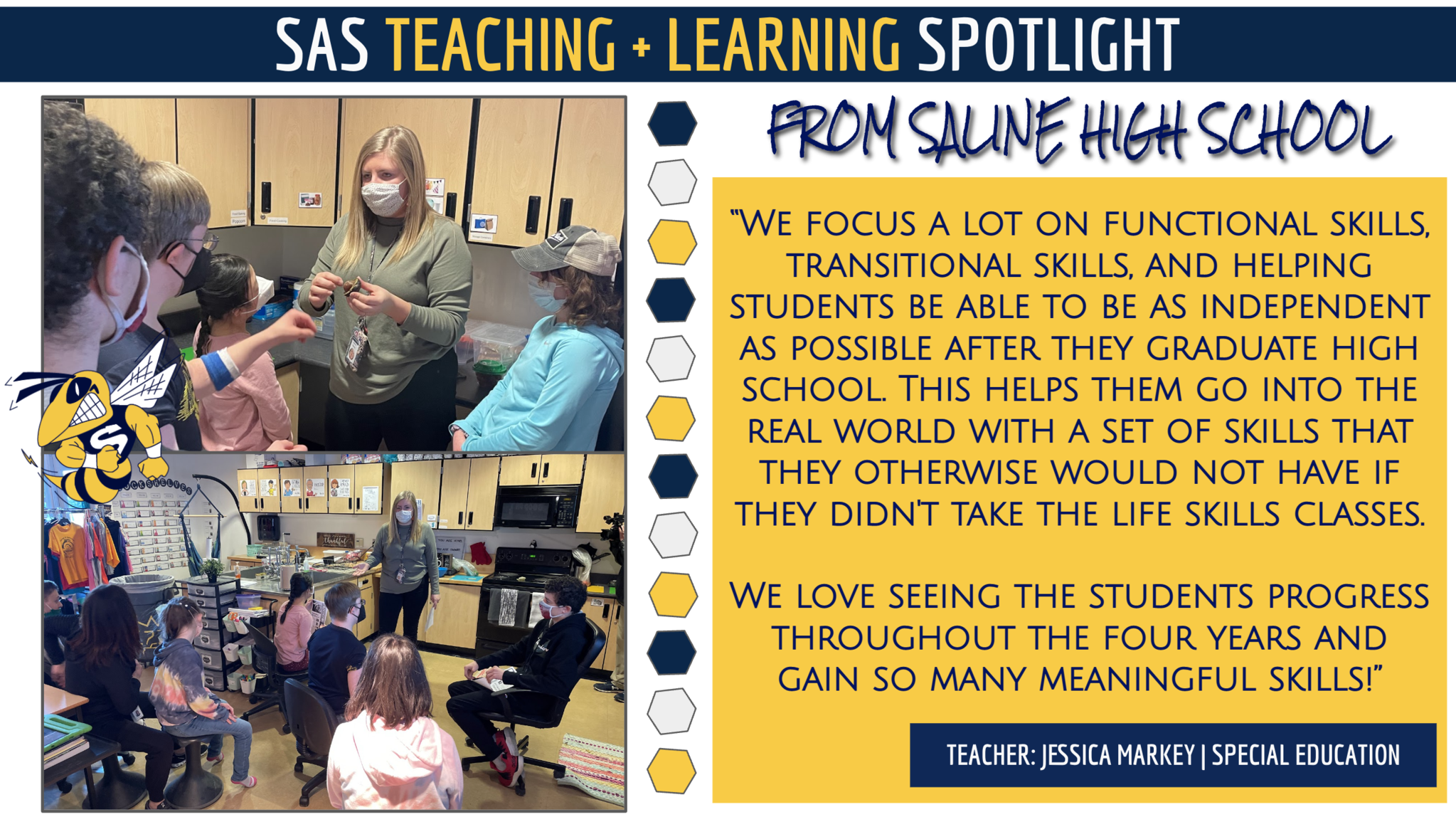
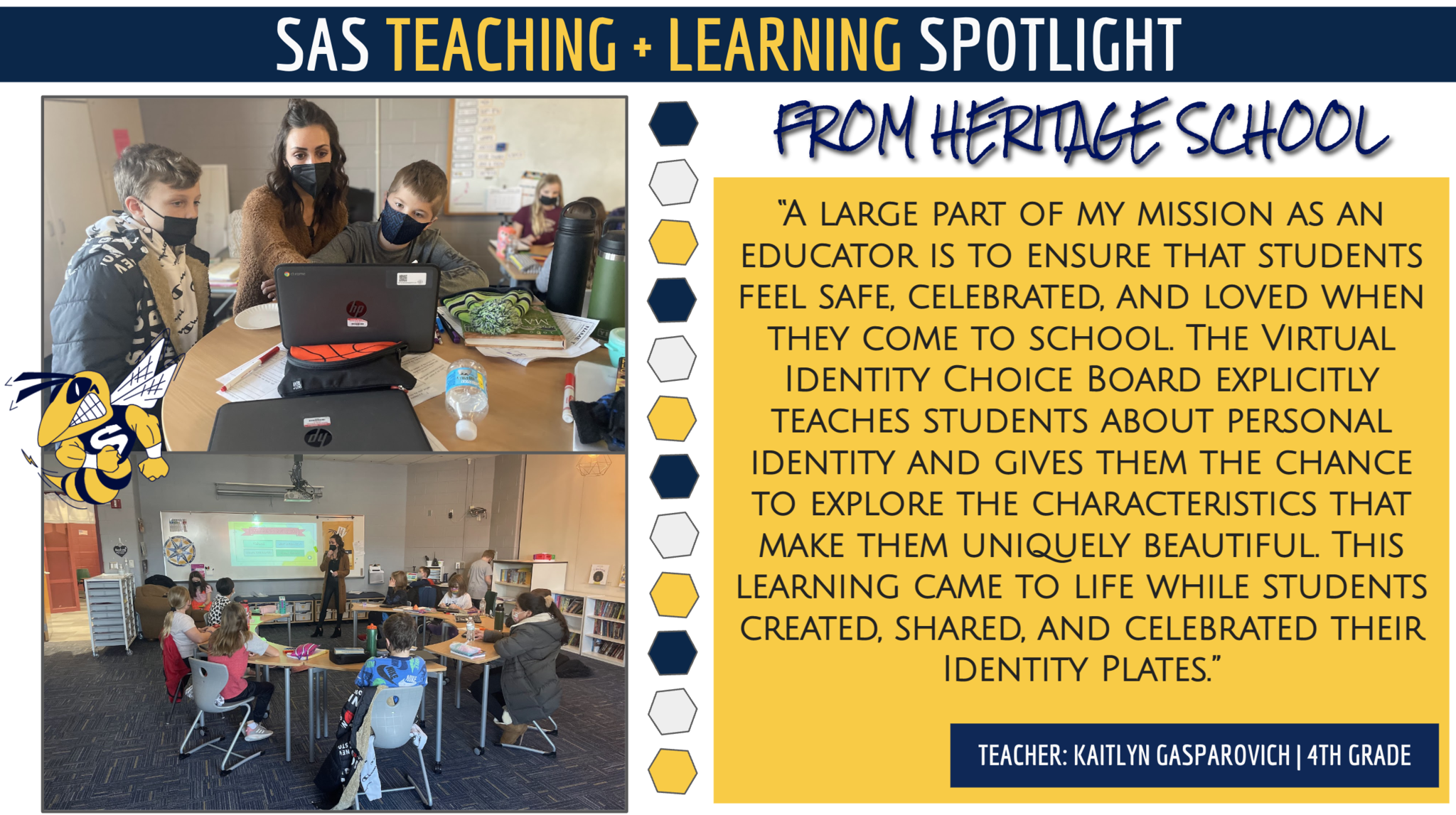
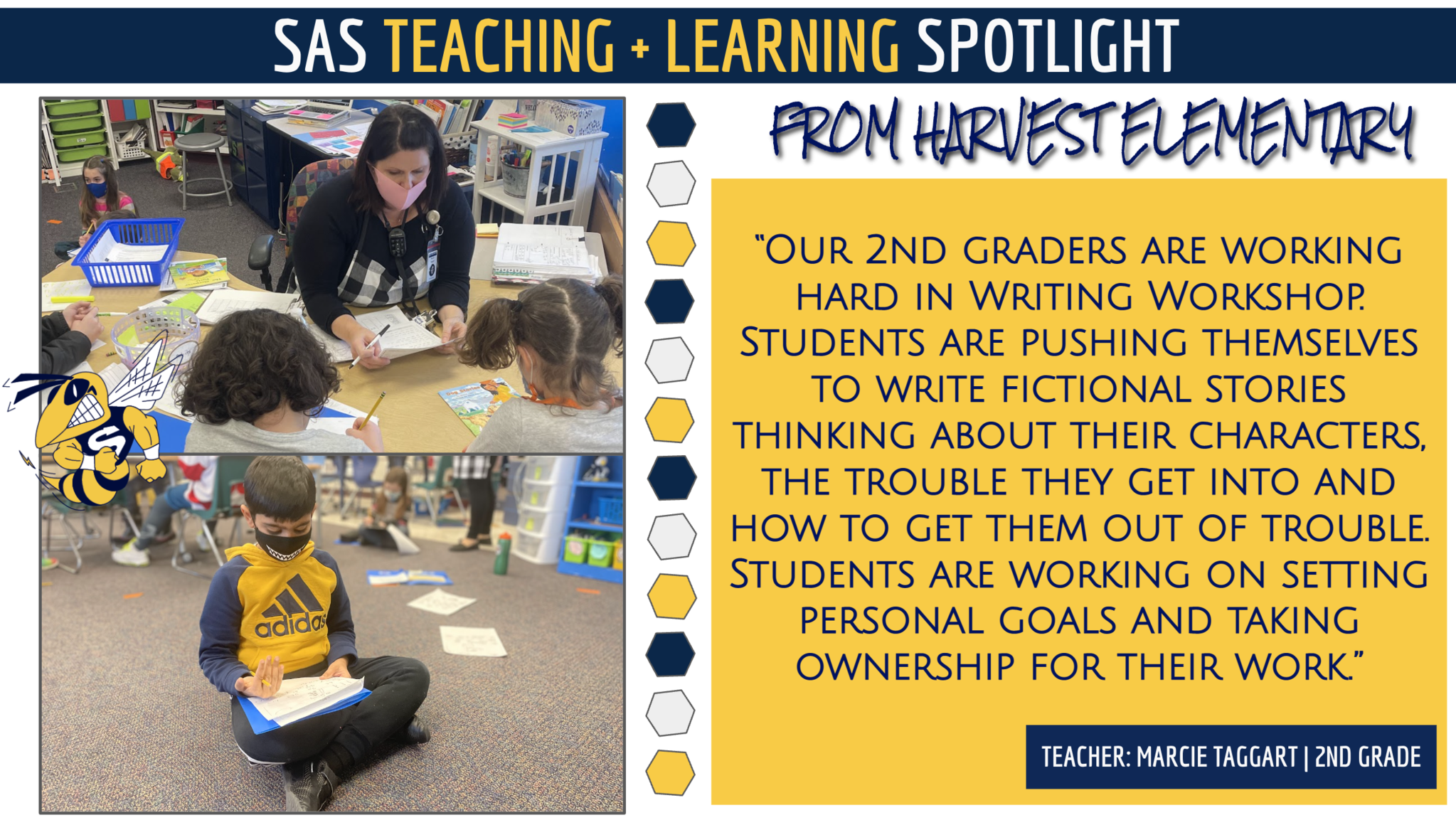
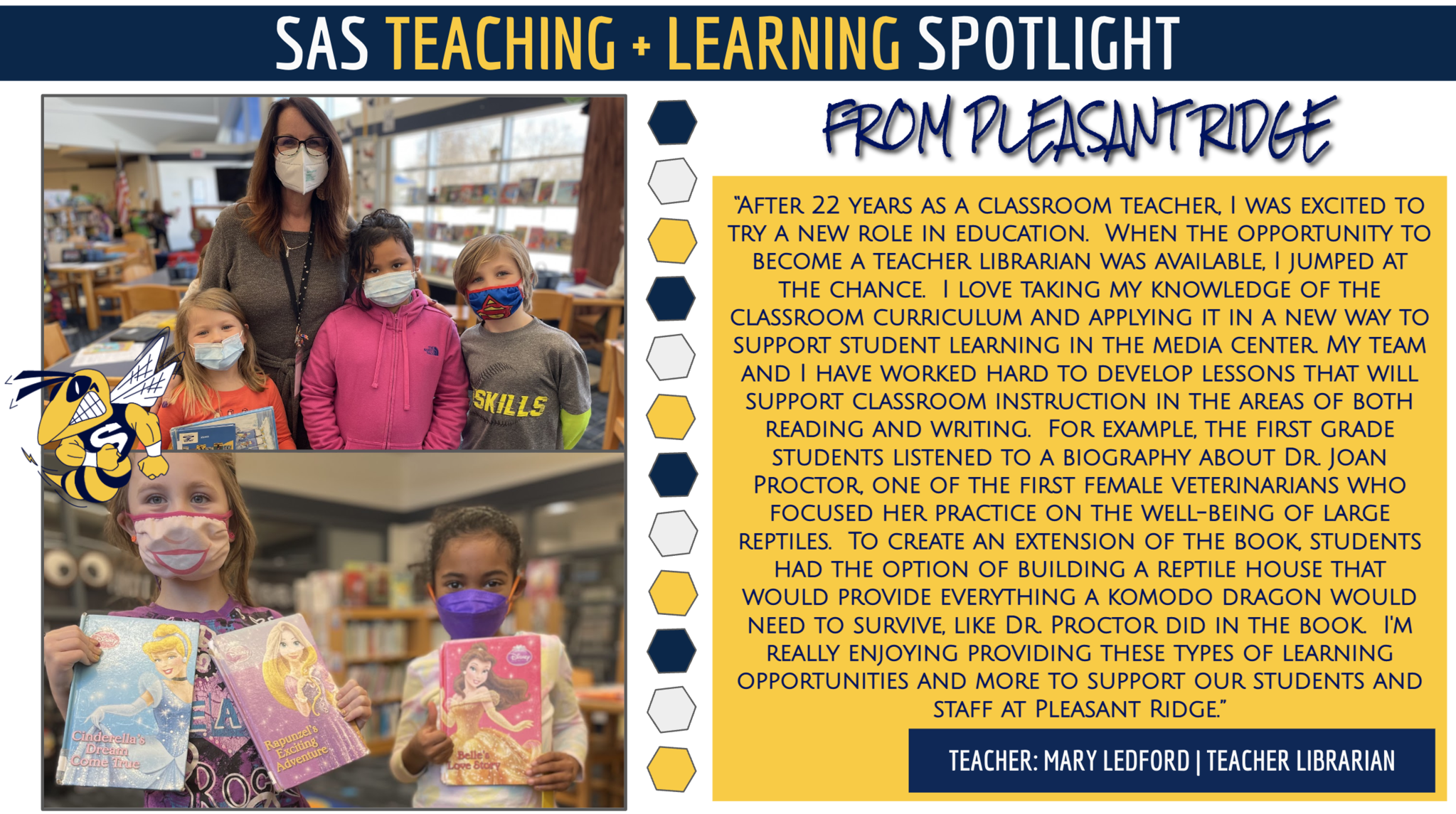
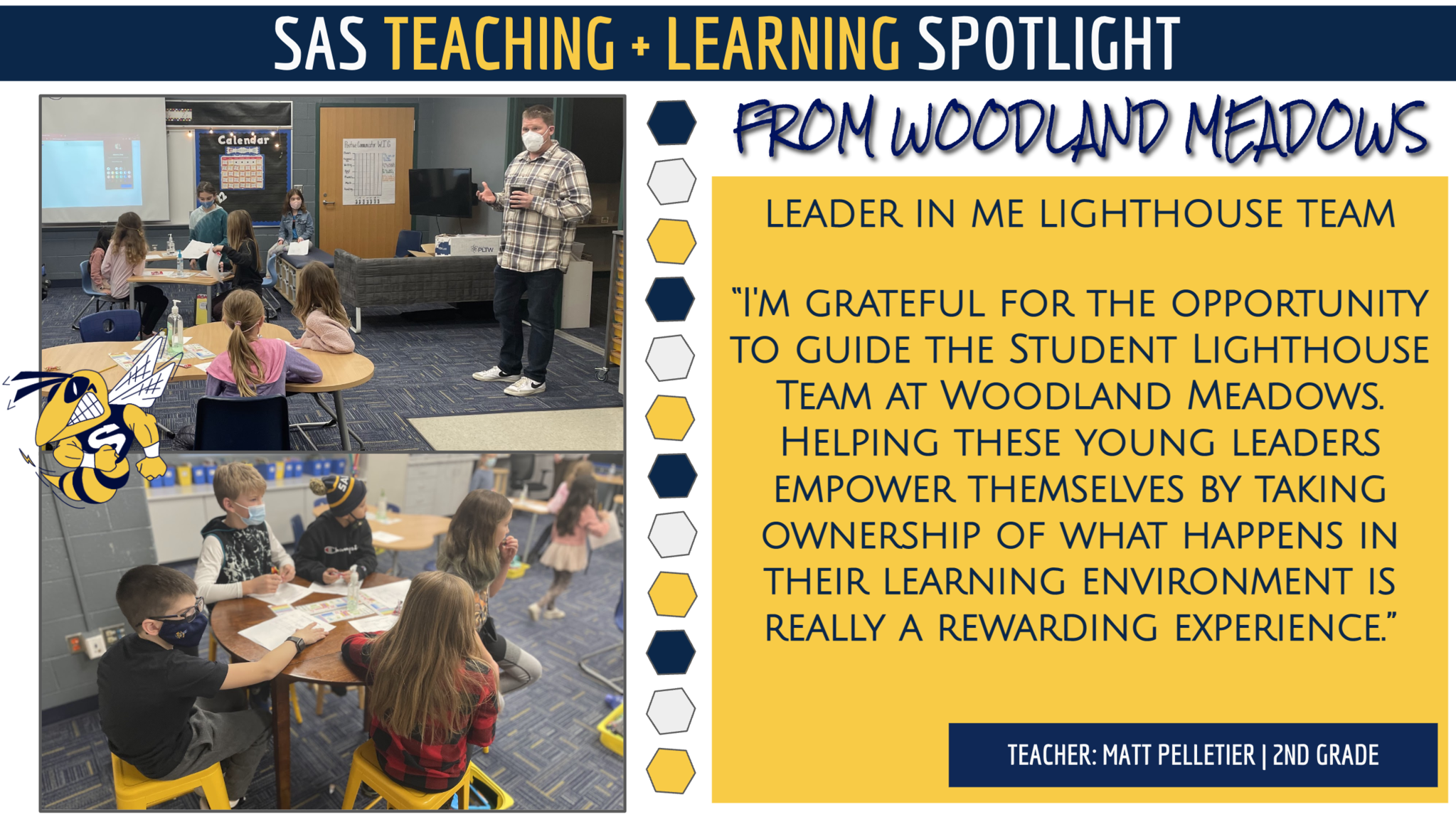
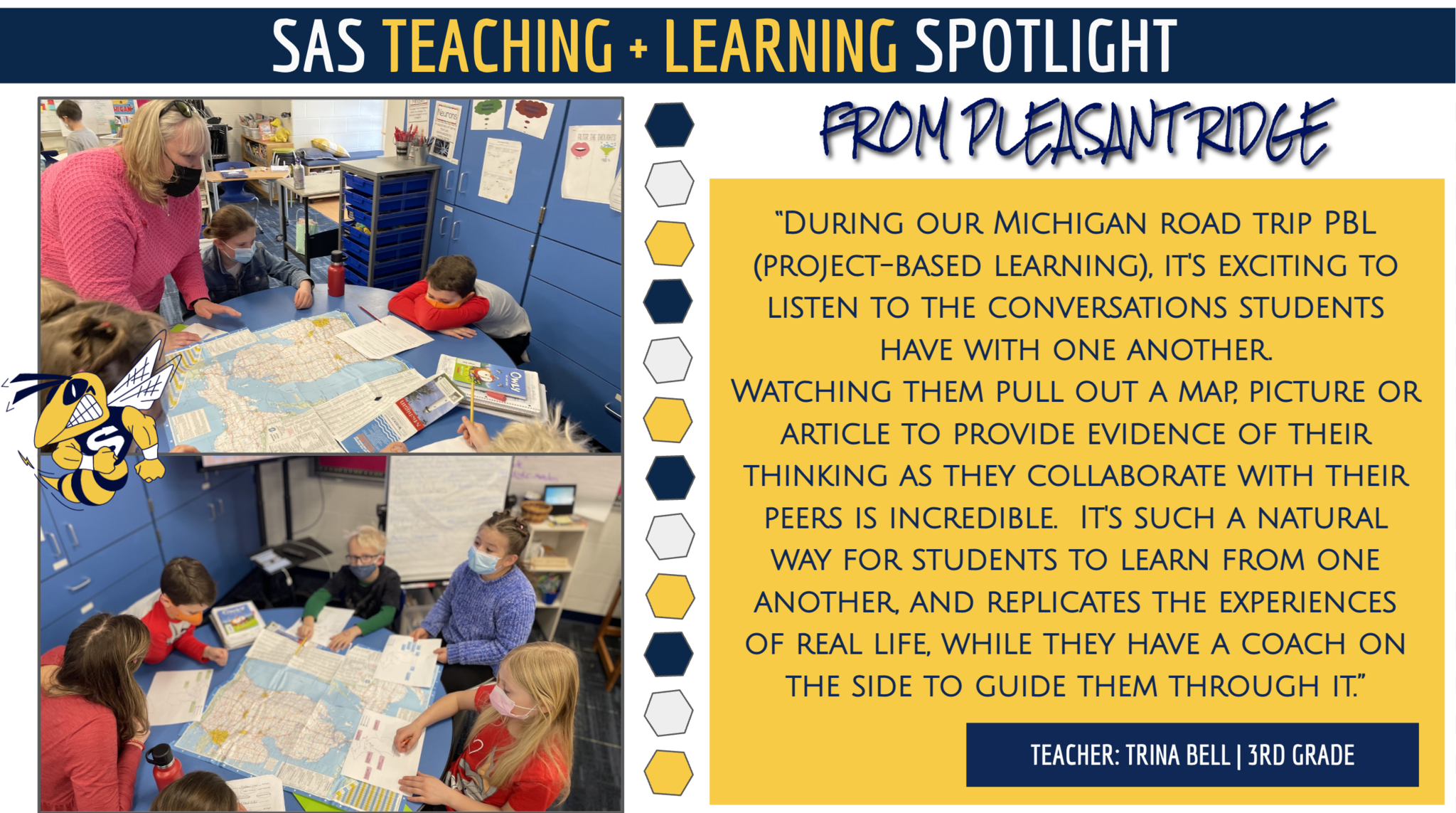

We Are Saline!

District Policies
Saline Area Schools Mission Statement
We will equip all students with the knowledge, technological proficiency, and personal skills necessary to succeed in an increasingly complex society. Our ultimate goal is to instill in our students a desire for lifelong learning.
Equal Opportunity Info
Applicants for admission and employment, students, parents, employees, sources of referral of applicant and admission and employment, and all unions or professional organizations holding collective bargaining or professional agreements with the Saline Area Schools are notified that the Saline Area Schools does not discriminate on the basis of race, color, national origin, sex, age, religion, or disability in admission or access to, or treatment or employment in any of its programs, activities, or policies.
Non-discrimination Policy
The District does not discriminate on the basis of race, color, national origin, sex, (including sexual orientation and gender identity), disability, age, religion, height, weight, marital or family status, military status, ancestry, genetic information, or any other legally protected category, (collectively, "Protected Classes"), in its programs and activities, including employment opportunities.
Inquiries or complaints by students and/or their parent(s)/guardian(s) related to discrimination based on disability/handicap should be directed to
Assistant Superintendent for Human Resources
Saline Area Schools
7265 North Ann Arbor St.
Saline, MI 48176
Phone: (734) 401-4003